

When DMOs Lead Like Public Servants
When DMOs act as public servants, they build trust, protect funding and align tourism with community values through stewardship and governance.

By David Cumpston
Earlier this year, I earned certification with the Global Sustainable Tourism Council (GSTC) through its partnership with the California Travel Association (CalTravel). While the credential affirms our team’s sustainability expertise, to me, its real value runs deeper. It reinforces one of our guiding beliefs in our work with destinations: the future of destination marketing isn’t marketing. It’s public service.
The global tourism industry is dealing with everything from rising resident scrutiny and budget pressures to political fatigue and overtourism. That’s why the DMOs that align their work with community values, long-term planning and credible governance will be the ones that endure.
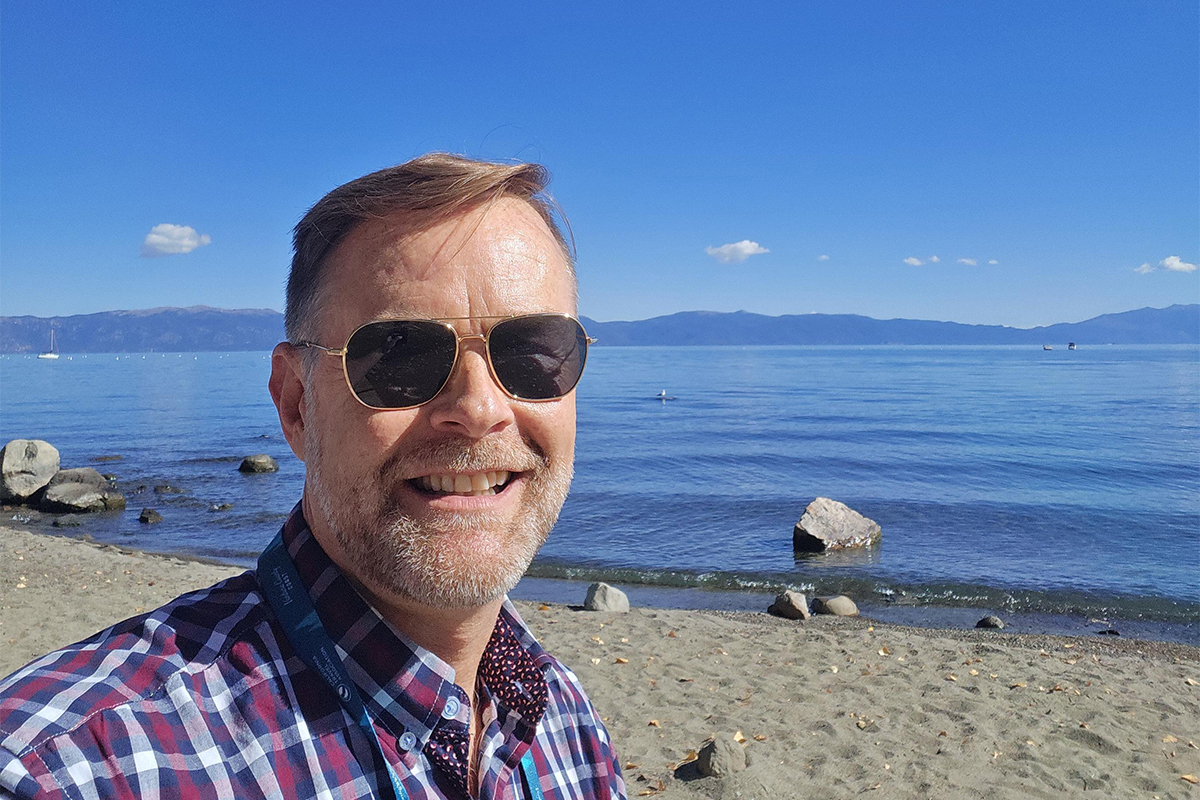
At the recent CalTravel Summit 2025 in Lake Tahoe, I heard California DMO leaders and other stakeholders confronting this shared reality: destinations that don’t lead with public value will struggle to retain public trust. What I heard in presentations and corridor conversations closely mirrored the work we’re doing with DMOs across the state — helping them operate, communicate and advocate like local residents and businesses are their primary constituents and increasingly acting like public-serving institutions.

1. Community Relevance Is a Requirement
Economic impact is assumed and is no longer enough to justify a DMO’s role. The most resilient organizations are reframing themselves not as special interests, but as community assets.
At the Summit, this shift became unmistakable. Maybe it was the setting in North Lake Tahoe where DMOs have been collaborating and elevating sustainability, resulting in an impressive destination stewardship plan focused on environmental protection as well as visitor education, and infrastructure improvements including using TOT funds for local, sustainable and transportation-focused projects.
This is also where GSTC’s framework matters most. Sustainability isn’t just an environmental concept. It’s about transparency, participation and accountability in how a destination evolves over time. DMOs that engage all stakeholders, including residents, local businesses, boards and elected officials, early and often are better positioned to navigate tension and earn trust.
(W)right On Communications has developed a Community Connections Catalyst program around this principle, giving small and mid-sized DMOs a research-driven roadmap to align tourism goals with community priorities and public expectations.
2. Funding Diversification Is a Governance Issue
One of the clearest warning signs discussed at the Summit was funding vulnerability.
According to the Funding Futures 2025 report by Miles Partnership, Civitas and Tourism Economics, only 7.8% of local visitor taxes are reinvested into tourism and that share continues to shrink.
Given it’s an election year, as cities and counties redirect funds toward housing, general budgets or political priorities, DMOs can no longer rely on historical allocations. Tools like tourism improvement districts (TIDs), short-term rental levies and sales tax increment financing are becoming essential, not optional.
GSTC’s criteria emphasize good governance and financial resilience for a reason. DMOs that can clearly articulate their public value are better positioned to defend funding and diversify revenue while maintaining credibility with decision-makers. It’s a long-term view.
3. Stewardship Is How DMOs Earn Political Cover
“Stewardship is strategy” was a recurring refrain at the Summit and for good reason. In a polarized environment, destinations that lead with sustainability, not just promotion, are better equipped to withstand criticism and protect their mandate.
GSTC’s holistic approach provides a practical roadmap for embedding stewardship into operations—from vendor selection and event programming to governance and community relations. The goal isn’t to be greener for optics. It’s to be more credible, accountable and, most importantly, trusted.


Leading with Purpose Is No Longer Optional
I didn’t pursue GSTC certification to collect another credential. (W)right On Communications supported me in this effort because the direction of travel is clear.
The DMOs that will thrive are those that embrace their civic role, center their communities and communicate with the clarity expected of public-serving institutions. That’s the work we’re committed to supporting and the standard we believe the industry must meet.
For DMOs, this is a communications shift as much as an operational one. How destinations explain their role, value and intent now matters as much as what they do.
David Cumpston is Associate Vice President of (W)right On Communications, a senior-led strategic communications agency helping destinations and mission-driven brands build trust, credibility and long-term relevance.
Are you rethinking how your DMO demonstrates public value and sustainability? Let’s talk: (858) 886-7900 or info@wrightoncomm.com.