

Four Lessons Senior Living Leaders Can Learn About Trust from the World Cup
Building trust in senior living requires more than effective messaging. The 2026 FIFA World Cup offered timely lessons about aligning organizational promises with lived experiences.

Several thoughts have stuck with me since watching the 2026 FIFA World Cup successfully unfold across the U.S., Canada and Mexico. Millions of global visitors were experiencing North America’s host cities for the first time. From the small to the major moments, their experiences were either solidifying their early impressions or deflating them.
At first glance, that may seem far removed from senior living. I don’t think it is.
Whether they’re visiting a World Cup host city or touring a senior living community, expectations and first impressions matter. When the former fits the latter, the visitor or the family has the basis for trust. But the little things from poor wayfinding to a stadium or a lack of accessible guest parking at an assisted living facility can prompt a visitor to ask the same question: Can I trust this organization to deliver the experience it promised?
Whether I’m working with a senior living community, a destination organization or a nonprofit, early in our engagement together, the conversation often begins with some communications goal or strategy envisioned by the client but soon delves into trust issues — where expectations and the experience are out of synch.
Where Trust Is Actually Earned
It starts with questions about the client’s website, messaging or communications strategy: Should we refresh the website? Change how we tell our story? Have our CEO be more visible?
Before long, we’re no longer talking about communications. We’re talking about employee behaviors, consistent operations, workplace culture and retention. Communications challenges can often require an operational solution.
I’ve seen senior living communities invest heavily in marketing while overlooking the everyday moments that shape a family’s confidence. An uninformed receptionist. A delayed follow-up. A tour that doesn’t feel like the website described. None of those moments seems especially important on its own. Together, they determine whether families believe what they’ve been told.
I’ve also worked with communities that spend far less on marketing yet consistently earn strong reputations. Every interaction reflects the same values, so families leave feeling the experience matched their expectations.
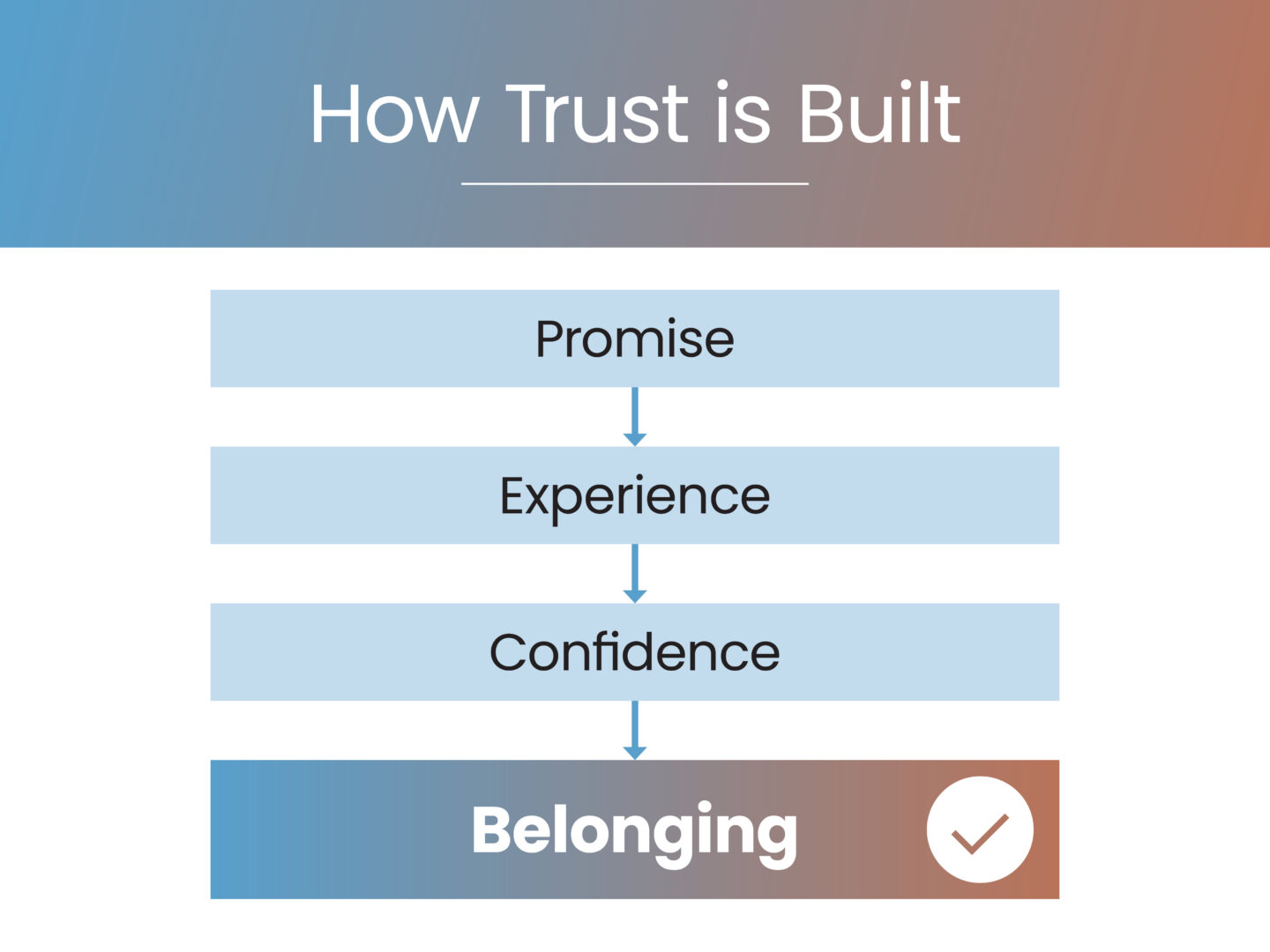
Experiences Shape Reputation Faster Than Messages
Okay, so returning to the World Cup. Before the tournament, many visitors to Los Angeles expected that navigating Southern California would be difficult because of traffic, unfamiliar transit systems and the region’s car-centric reputation. Local leaders, however, focused on improving the visitor experience through expanded transit options, clearer wayfinding and better coordination across agencies.
Many visitors described Metro as easier and more reliable than they expected. The shift in perceptions didn’t come from better messaging. It came from a better experience.
In senior living, families notice how team members greet residents, whether conversations feel genuine and whether the community feels relaxed or rushed. Those observations of a community’s vibe frankly influence their perceptions. Were they greeted on time for their appointment? Personally introduced to key staff as they passed through the community? Given an opportunity to speak to some residents enjoying an activity? Was a tasting menu prepared in the dining room so they could sample the meal program for themselves?
Reputations begin to change when what people experience gives them a reason to see the organization differently, and that’s something we communications professionals can build a campaign around.
Trust Begins Inside the Organization
On the other end of the spectrum, in Houston, local reporting highlighted frustration among some World Cup volunteers. They described inconsistent communication, last-minute changes and uncertainty about what was expected of them. Organizers worked to address those concerns, but the bottom line was that these volunteers didn’t feel sufficiently informed and supported to fulfill their roles and deliver on the visitor and spectator experiences.
Senior living leadership teams often talk about creating exceptional experiences for residents and families. Those experiences depend on employees having the information, confidence and support to do their jobs well. When communication breaks down internally, families eventually feel it externally. Trust begins inside the organization.
Internal communication problems rarely stay internal. A caregiver shouldn’t learn about a change from a resident, and a receptionist shouldn’t be surprised by a new policy when a family asks about it.
When employees understand not only what’s changing but why it matters, they communicate with greater confidence and consistency. Families notice. Over time, those interactions become part of the organization’s reputation.
Where Belonging Shapes the Decision
Philadelphia offered another lesson. City leaders understood visitors would remember far more than the match and that their city’s reputation as a destination was on the line. Restaurants, volunteers, public spaces and populra neighborhoods all shaped that impression
It’s never about just one element, whether the environment is an aspiring travel destination or a senior living community. The staffing, wellness and culinary programs, landscaping and apartment layouts are all factors the prospective resident or their family decision maker assess collectively.
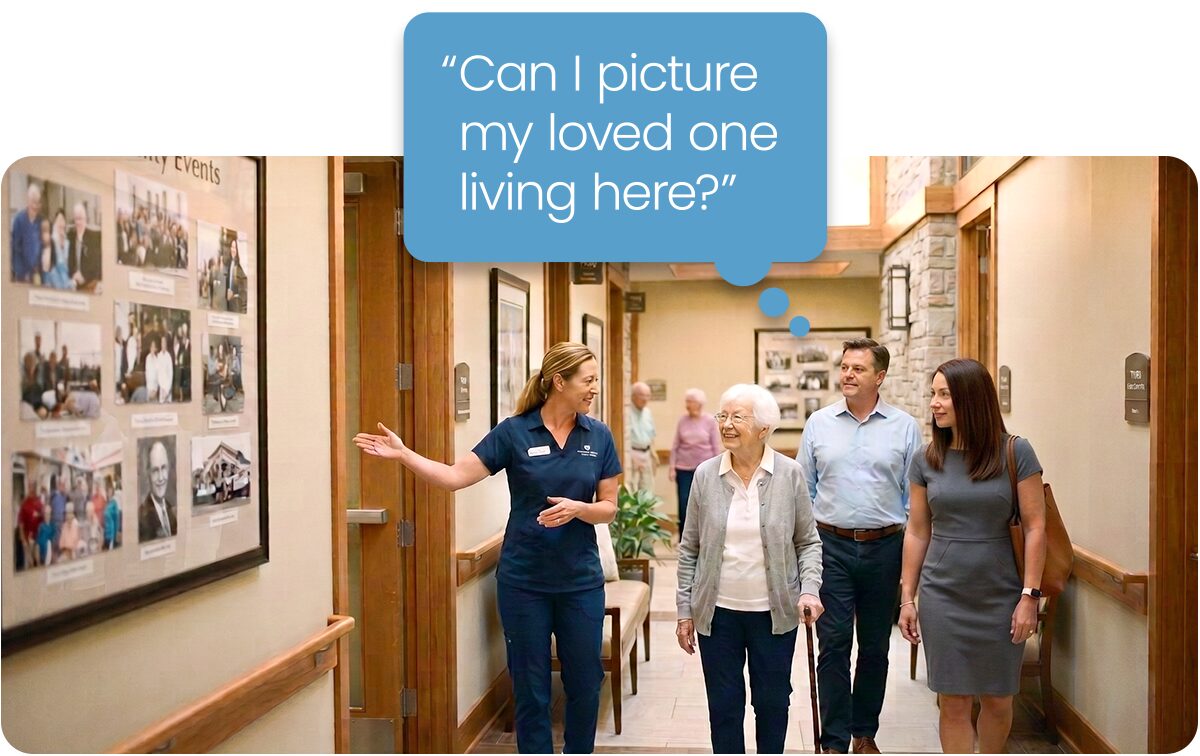
Families want to feel that their loved one will thrive in your environment. When they get home, they won’t be debating the pros and cons of the floor plan or beauty salon’s hours. They’ll be talking about whether they could picture their loved one belonging there.
That sense of belonging is built over time through consistent experiences that help residents, families and employees feel connected to the community.
Trust Is Built Long Before It’s Tested
The World Cup reminded me that trust rarely rises or falls because of a single moment. Major events simply reveal strengths and weaknesses that already exist.
Communications are critical but too often they can be undone by operational inconsistencies that put a wedge between what the buyer expected and what they experienced. By the time a family sits down to discuss pricing, much of the decision has already been shaped by hundreds of small observations: how people interacted, whether questions were answered promptly and whether the experience consistently matched expectations. Building trust is an organizational commitment that communications has the privilege of expressing.
If your organization is navigating challenges with stakeholder trust, community perception or alignment, it may be time to reassess how communication is structured and sequenced. When you’re ready, we’re available at (858) 886-7900 or info@wrightoncomm.com.
Author: David Cumpston is Director, WOC | Resonance.